Dying Earth
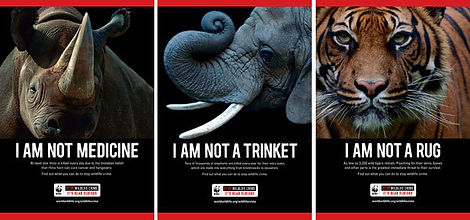

Poaching caused a decline of African elephants from 1.3 million to 600,000 individuals between 1979-1987. Mortality was unusually concentrated among the largest adults with the biggest tusks. Old matriarchs (the oldest adult females that provide the social glue in elephant herds) were particularly vulnerable. Their tusks are large and their groups were easier to find than solitary adult males.
Many family groups lost their matriarchs, compromising their social, competitive and physiological functioning. The youngest offspring often perished with their mothers, causing a disrupted age structure. Many older offspring were orphaned, only to range solitarily or in atypical groups of unrelated females. Documenting the long-term consequences of social disruption caused by poaching on the African elephant is crucial to the conservation and management of this species.
Poaching
-
1. "Animal poaching" is when an animal is killed illegally. It usually occurs when an animal possesses something that is considered valuable (i.e. the animal’s fur or ivory).
-
2. Many countries believe that the rhino horn is an important ingredient for many medicines. This is false. Rhino horn has the same medicinal effect as chewing on your fingernails aka none.
-
3. In 2012, 668 rhinos were poached in South Africa. In the beginning of 2013, these animals were being poached at a rate of 2 per day. Send them a note to thank them for their work. Sign up for Wildlife Cards.
-
4. At the beginning of the 20th century there were a few million African elephants and approximately 100,000 Asian elephants. Today elephants are now considered endangered, there are about 450,000-700,000 African elephants and 35,000-40,000 Asian elephants.
-
5. Typically the largest adults, with the biggest tusks are poached – putting the matriarchs of elephant herds at the greatest risk.
-
6. In 2011, there were 13 large-scale seizures of ivory and over 23 tons of ivory confiscated. This is equivalent to at least 2,500 elephants.
-
7. Vietnam, China, Thailand, and Korea are just a few of the countries with markets for horn and tusk.
-
8. Bear gall bladders get top dollar for Chinese herbal remedies. And big-horned sheep antlers can fetch $20,000 on the black market.
-
9. Tigers are primarily killed to supply underground black markets with its organs, pelts, and bones. These items are highly regarded in eastern medicine (although these treatments have been disproved and have no real medical value).
-
10. In Asia, tiger parts (other than the bone) are used in mythological medicine. This includes: the eyes, hair, internal organs, even tiger penis – which is used in a soup as an aphrodisiac.
-
11. A 2010 United Nations report suggests that gorillas could disappear from large parts of the Congo Basin by the mid-2020s. dosomething.org
Organized poaching gangs
This demand has created highly profitable and organized international poaching criminal syndicates who deploy advanced technologies ranging from night vision scopes, silenced weapons, darting equipment and helicopters to carry out their mission.
According to Dr Joseph Okori, head of WWF's African Rhino Programme:
"The African rhino is under serious threat from poachers who have intensified their search of rhino for their horns since 2007, driven by growing market demands in Asia." WWF
The Western black rhinoceros was last seen in Cameroon 2006. It was declared officially extinct in 2011
Overfishing
Overfishing occurs when fish and other marine species are caught at a rate faster than they can reproduce. We now know without a doubt that the fish in the ocean are a finite resource. Many marine scientists now believe that overfishing is the biggest threat to the ocean environment, even greater than that of other human caused disruptions like increasing pollution. The high demand for fish, along with more effective fishing techniques, has lead to many species of fish around the world being depleted, making them commercially extinct (not worth fishing). As the Ecosystem Overfishing illustration shows (Pew Oceans Commission) [ www.pewoceans.org), some of the modern fishing techniques cause additional unintentional destruction. Between 1950 and 1994, the ocean fishing industry increased the total catch by 400%. (Monterey Bay Aquarium Foundation) In 1997-1998, the total global capture peaked at an estimated 93 million tons. In subsequent years, the total capture has been reduced. This reduction was in part due to climactic changes. However, it is also believed that this is an indication that humans are now fishing more than what the ocean can produce. The growing aquaculture industry has been increasing production to help meet the growing demand of fish. See Figure 1, courtesy of the United Nations Food and Agriculture Organization.
HOW YOU CAN HELP
• Don't buy rhino horn or other wilde animal products like elephant ivory. Illegal trade in rhino horn is a continuing problem, posing one of the greatest threats to rhinos today.
• Donate towards much-needed anti-poaching equipment and support for rangers across Africa.South Africans / Residents of other countriesDonations will go towards: binocularis, radios, night/vision gear, bullet proof armour, rhino tracking, camping equipment, training for guards
• Read more about WWF-South Africa's campaign and campaign of other organization . Spread the word! Click on the button to share this information with others via email or your favourite social networking service
• Support downed wilde animal with donation.
• Educate others about the poaching cruelty.
• Report any animal abuse or poaching to police or organization below!
If global overfishing continues, wild fish populations will be further reduced, regardless of how many boats are used or what techniques are employed. Today, most of the world’s major commercially valuable fish populations are overfished , and the remainder is exploited at their maximum possible level. (National Oceanic Atmospheric Administration) In 1999, the United Nations Food and Agriculture Organization estimated that 70-78% of worldwide marine fish stocks require urgent intervention to prevent population declines and to help rebuild species depleted by over fishing. In the waters surrounding the United States, the U.S. Department of Commerce listed 959 different fish stocks in the 2001 Annual Report to Congress on the Status of U.S. Fisheries. Of these nearly 1000 species, the status of 68.3% were listed as unknown; of the remaining 31.7%, almost one third are listed as overfished.
The wild fish in our oceans are the last wild creatures that people hunt on a global scale. This overfishing not only depletes the fish that are desirable to consumers but causes serious consequences for the marine environment. The natural ocean ecosystem is disrupted; ultimately threatening many non-fished marine species as their natural food supply is removed. Sea lions, fur seals, and otters, as well as many types of bird are examples of other species that have been placed at risk as a result of overfishing. Removing excessive quantities of specific species has been shown to place the marine ecosystem as a whole at risk of collapse.
One example occurred in the Chesapeake Bay when overfishing and other environmental toxins depleted the oysters. These filterfeeders play an important role in balancing the most abundant ocean plant, microscopic algae. The Chesapeake Bay now has an estimated 1% of the former amount of oysters. The lack of algae caused a disruption of the oxygen balance which has resulted in life-depleted areas known as dead zones (Click here for more information about dead zones). The Chesapeake Bay’s “dead zone” now stretches for hundreds of square miles during the summer.
Overfishing impacts not only the natural balance and health of our ocean but has also resulted in great financial loss. The ability of the ocean to produce fish is of vital importance to an estimated 200 million people worldwide as they depend upon the ocean for jobs and for food. According to the United Nations, one in every five humans depends on fish as the primary source of protein. (United Nations, 2004) The fishing industry, governments, environmental scientists as well as consumers must all work together to learn how to stop destructive fishing and restore depleted fisheries. Properly managed, our oceans can continue to produce an abundant supply of fish indefinitely. Marine reserves have been one very effective potential solution to the overfishing problem, as the illustration from the PEW Oceans Commission depicts.
!

!
HOW YOU CAN HELP
• DO NOT BUY fish or other sea animals because this contribute to the extinction of the marine ecosystem
• Go vegan! Stop eating animals and animal products.
• Ask restaurants to serve more vegan food.
• Ask supermarkets to carry more vegan products.
• Educate others about the fishing cruelty and overfishing.
• Find and sign petition on change.com forcechange.com or care2.com
Illegal Wildlife Trade
Display of illegal wildlife products used in Chinese medicine confiscated by customs officers at Heathrow Airport, UK. © WWF-Canon/Edward PARKERWildlife trade is any sale or exchange of wild animal and plant resources by people. This can involve live animals and plants or a diverse range of products needed or prized by humans—including skins, medicinal ingredients, tourist curios, timber, fish and other food products. Most wildlife trade is probably within national borders, but there is a large volume of wildlife in trade internationally.
The primary motivating factor for wildlife traders is economic, ranging from small scale local income generation to major profit-oriented business, such as marine fisheries and logging companies. Between collectors of wildlife and the ultimate users, any number of middlemen may be involved in the wildlife trade, including specialists involved in storage, handling, transport, manufacturing, industrial production, marketing, and the export and retail businesses.
In fact most of us are involved in wildlife trade in some way, even if it just as end consumers of wildlife products.
The wildlife trade involves hundreds of millions of individual plants and animals from tens of thousands of species.
Timber and seafood are the most important categories of international wildlife trade, in terms of both volume and value. According to the United Nations Food and Agriculture Organization (FAO), more than $100 billion of fish were traded and nearly $200 billion timber in 2009. To put this into perspective, in the same year, the global trade value of tea, coffee and spices all together was $24.3 billion.
It is estimated that 70 000 species of plant are used for medicinal purposes alone. Additionally, approximately 25% of ‘modern’ pharmacy medicines have been developed based on the medicinal properties of wild species. Little is known about the status of many of these species, although those that have been assessed show a concerning picture.
International trade in species of conservation concern is monitored by CITES. From 2005 - 2009, CITES recorded an annual average of more than 317,000 live birds, just over 2 million live reptiles, 2.5 million crocodilian skins, 1.5 million lizard skins, 2.1 million snake skins, 73 tonnes of caviar, 1.1 million coral pieces and nearly 20,000 hunting trophies.
Not all trade is legal of course: between 2005 and 2009 EU enforcement authorities made over 12,000 seizures of illegal wildlife products in the EU.
In the early 1990s, TRAFFIC estimated the value of legal wildlife products imported globally was around USD160 billion. In 2009, the estimated value of global imports was over USD323 billion.
TRAFFIC estimated the legal trade of wildlife products into the EU alone was worth an estimated €93 billion in 2005, and this increased to nearly €100 billion in 2009.
By its very nature, it is almost impossible to obtain reliable figures for the
value of illegal wildlife trade, but the figure must run into hundreds of millions
of dollars. The value of illegal, unreported and unregulated (IUU) fisheries
alone has been estimated as between USD10-23 billion per year
(MRAG & FERR, 2008), while the value of the illegal international
timber trade has been estimated as USD7 billion per year, and
the illegal wildlife trade, excluding timber and fisheries as
USD7.8-10 billion per year (GFI, 2011).
Problems
As human populations have grown, so has the demand for wildlife.
People in developed countries have become used to a lifestyle which
fuels demand for wildlife; they expect to have access to a variety of seafoods,
leather goods, timbers, medicinal ingredients, textiles etc. Conversely,
extreme poverty of others means they regard wildlife as a means to meet their short-term needs and will trade it for whatever they can get.
Over-exploitation is a major concern:
-
wildlife is vital to a high proportion of the world's population. People depend directly on wildlife for consumption and as a way of earning cash. However, irresponsible wildlife trade is threatening this resource, and those most affected tend to be the poorest people, in developing nations.
-
Red-eared terrapin from America released in Danube Nationalpark, Austria. © WWF-Canon/Anton VORAUERillegal wildlife trade causes additional problems. The species traded are often already highly threatened and in danger of extinction, conditions under which wildlife is transport are often appalling, operators are unscrupulous and do not care how they damage the environment(for example they use cyanide to kill fish, or log in protected areas; illegal trade undermines nations' efforts to manage their natural resources sustainably and causes massive economic losses in lost earnings. It is often said that illegal wildlife trade is the third most valuable illicit commerce behind drugs and arms.
-
introducing invasive species that prey upon, or out compete native species. Invasive species are a major cause of recent extinctions. Wildlife traders have purposely introduced many invasive species, such as American Mink, Red-eared Terrapin and many plant species.
Hotspots
There are certain places where wildlife trade is particularly threatening called "wildlife trade hotspots". They include China's international borders, trade hubs in East/Southern Africa and South-east Asia, the eastern borders of the European Union, some markets in Mexico, parts of the Caribbean, parts of Indonesia and New Guinea, and the Solomon Islands.

!
HOW YOU CAN HELP
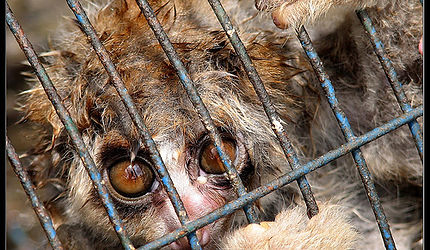
• Don't buy any wild animal like monkey, birds, snakes or other animals.
• Support downed wilde animal with donation.
• Educate others about the Live Animal Trade and export cruelty.
• Report any suspicious trading to police or organization below!
• Find and sign petition on change.com forcechange.com or care2.com
Overfishing causes Pacific bluefin tuna numbers to drop 96%
1. Fishing vessels wage war on the oceans
Modern fishing ships use technologically advanced fish-finding sonar that can find a school of fish with almost military precision. Once the fish are caught, the ship is used as a floating factory, with onboard processing and packing plants, preservation systems, and huge engines that allow the ship to drag their enormous nets through the ocean. - Greenpeace.
2. Apex predators are disappearing fast
In just 55 years, humans have managed to wipe out 90 percent of the ocean’s top predators. These are animals like sharks, bluefin tuna, swordfish, marlin, and king mackerel. - Oceana.
According to Greenpeace, the depletion of these top predator species can cause a shift in entire oceans ecosystems where commercially valuable fish are replaced by smaller, plankton-feeding fish. This century may even see bumper crops of jellyfish replacing the fish consumed by humans.
3. Fishing disrupts the marine food chain
After depleting the most valuable fish, the apex predators and large fish like bluefin tuna, the next step is moving down the food chain. This means going after typically smaller species and fishing in different locations of the ocean. Overfishing.org.
4. Overfishing has been happening for years and years
Overfishing has been documented since the early 1800s when humans took out select whale populations in search of blubber for lamp oil. By the mid-1900s, Atlantic cod, herring, and California sardines were harvested to the brink of extinction. This depletion reached catastrophic levels by the late 20th century. National Geographic.
5. Fishing nets catch far more than intended
The term for non-targeted animals that end up in fishing nets is bycatch. Many animals like turtles, dolphins, sharks, and sea birds, get caught on fishing lines or pulled up by nets then tossed back into the sea, often dead or dying. In the 1990s, a huge boycott led to the “Tuna Safe” label on tuna cans, which implied that the nets used to catch the tuna were fitted with holes to let dolphins escape. However, dolphin safe does not imply sustainable or responsible and the issue of bycatch is ongoing.
6. We’ve tapped too far into the ocean’s vital resources
By 1989, when about 90 million metric tons of catch were taken from the ocean, the industry had hit its high-water mark, and yields have declined or stagnated ever since. - National Geographic.
7. Tax dollars go to paying for fishery subsidies
As if technologically advanced ships weren’t the only reason fisheries are capable of overfishing, many governments provide subsidies to fisheries. According to a 2010 study by Oceana, overfishing subsidies total an estimated $16 billion annually, which is equivalent to roughly 25 percent of the value of the world fish catch.
8. Bottom trawling is tearing the ocean apart
Bottom trawling is the ocean equivalent of clear-cutting a forest. Ships drag huge, heavy nets held open by doors, many of which weigh several tons each, over the seafloor to catch fish that dwell near the bottom of the ocean. In the process, they destroy everything else, including deep sea coral and sponges, and other sensitive seafloor life. - Oceana.
9. Overfishing leads to unsustainable aquaculture
Aquaculture, or fish farming, requires feed for captive fish. To grow just one pound of farmed salmon, an estimated four to eleven pounds of prey fish are consumed. As the aquaculture industry continues to expand, prey fish are depleted at alarming and unsustainable rates. If current trends continue, some researchers predict that aquaculture will outgrow the supply of fishmeal as soon as 2020. - Oceana.
10. We may have to bid farewell to the world’s fisheries because of overfishing
National Geographic reports, “A study of catch data published in 2006 in the journal Science grimly predicted that if fishing rates continue apace, all the world’s fisheries will have collapsed by the year 2048
you.
There are many reasons why wildlife is traded, including:
-
food—fruits, mushrooms, nuts, leaves and tubers, are particular important resources in sustaining livelihoods in many rural areas. Wild animals (including fish) contribute at least a fifth of the animal protein in rural diets in more than 60 countries. A TRAFFIC study demonstrated reliance on wild meat is growing in Eastern and Southern Africa in response to increased human populations and poverty.
-
fuel—trees and plants are an important source of fuel for cooking and heating, especially in rural areas
-
fodder—considered very important non-wood forest products in arid regions of Asia and Africa
-
building materials—for example, timber for furniture and housing to ingredients in manufacturing processes, such as gums and resins
-
clothing and ornaments—leather, furs, feathers etc
-
sport—from falconry to trophy hunting
-
healthcare—everything from herbal remedies, traditional medicines to ingredients for industrial pharmaceuticals. An estimated 80 % of the world's population are said to rely for primary health care on traditional medicines
-
religion—many animals and plants or derivatives are used for religious purposes);
-
collections—many wildlife specimens and curios are collected by museums and private individuals By: traffic.org

THE SIXTH MASS EXTINCTION HAS BEGUN!
As unbelievable as it may sound, after having read through the five mass extinctions, the sixth mass extinction is in progress, now, with animals going extinct 100 to 1,000 times (possibly even 1,000 to 10,000 times) faster than at the normal background extinction rate, which is about 10 to 25 species per year. Many researchers claim that we are in the middle of a mass extinction event faster than the Cretaceous-Tertiary extinction which wiped out the dinosaurs.
Rather than a meteorite or large volcanic eruption, the alarming decline of biodiversity (diversity of species on earth) leading to the current mass extinction is the results of five major human activities:
Habitat destruction including human-induced climate change. Human-induced climate change is the result in high amounts of greenhouse gas emissions (primarily carbon dioxide, methane, and nitrous oxide). Acting like a greenhouse, these gases trap heat from the sun. Other human activities such as habitat destruction in combination with climate change are making the situation only worse. Increasing temperatures may force species to move toward their preferred, and generally cooler, climate range. Thus, if those habitats have already been destroyed, then the species are not be able to escape the climate change and will go extinct.
Invasive species. Invasive/aliens species displace native species through predation, competition, and disease organisms. Pollution. Human overpopulation. Over-harvesting (hunting, fishing, and gathering). The Hawai'I chaff flower, the golden coqui Puerto Rican tree frog, the Martinique Parrot, the Yuman box turtle, the Madagascan Pygmy hippo, and the Japanese sea lion are amongst the list that include the 784 species of plants and animals that have recently vanished from earth because of human activities. All continents are impacted by this ongoing biological catastrophe. The completion of species inventory on earth and saving them from becoming extinct must be a world priority. - ESI


Say stop to holocaust against animals, environment and Earth